
The speed of the digital world has brought with it a massive wave of information pollution. Soulless texts generated by AI and content written solely to manipulate search engines have dragged the internet into a “crisis of trust.” To manage this chaos and provide users with the most accurate, reliable information, Google has placed E-E-A-T Criteria (Experience, Expertise, Authoritativeness, Trustworthiness) at the heart of its search quality evaluator guidelines.
In the world of 2026, it is impossible to stay at the top with a strategy focused only on “keywords.” Google is looking for the real person behind the content, real-world experience, and unshakable trust. At Cancel Studio, we don’t just do technical SEO; we build the “voice” and “credibility” of brands in the digital space.
I. What is E-E-A-T Criteria? The Four Pillars of the Concept
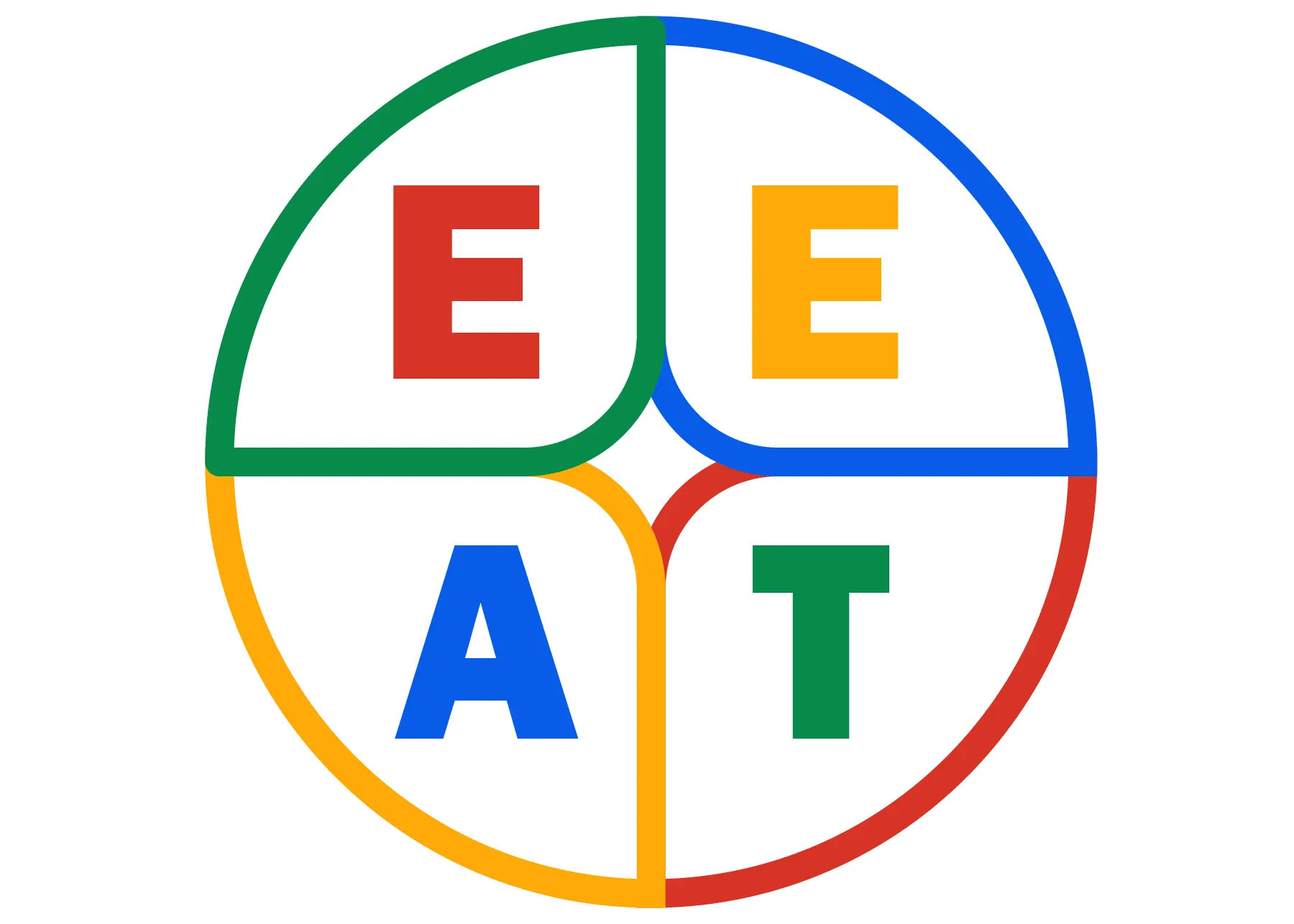
E-E-A-T Criteria an acronym for the four core criteria Google uses to determine the quality of a website or an author.
1. Experience
This “E” questions whether the creator of the content has actual life experience regarding the topic. The difference between a review written by someone who has never touched a product and a guide by an expert who has used it for years is Google’s biggest differentiator.
2. Expertise
This refers to the academic or professional background of the creator. Especially in YMYL (Your Money Your Life) topics like health, finance, or law, it is essential to prove the content was prepared by a professional.
3. Authoritativeness
This is about how much of a “say” you and your website have on the subject. Being referenced by other authoritative sites in your industry solidifies your standing.
4. Trustworthiness
The most critical link in the chain. No matter how high the other three criteria are, if your site doesn’t feel secure (lack of transparency, missing contact info, no security protocols), Google will label you as risky.
II. Why Now? The Rise of Human-Centric SEO
With AI reducing content production to mere seconds, Google’s obsession with “human-made” and “genuinely helpful” content has peaked. As of 2026, mechanical content that only seeks to please the algorithm is slowly being erased from the index. Google now asks: “Did a human write this, and do they really know what they’re talking about?”
III. Ways to Prove Experience
Experience is what breathes “soul” into content. You must offer the reader the practical reflection of theoretical knowledge.
Case Studies and Examples: When explaining a concept, use examples from your own projects or life. Saying, “When we applied this method, we got this result,” is a powerful E-E-A-T Criteria signal.
Personal Insights: Add your professional commentary rather than just repeating general truths.
Visual Proof: If you are reviewing a product, adding real photos or videos of you using it substantiates your experience.
IV. Strategic Steps for Building Expertise and Authority
Becoming a “reference point” in your industry requires patience and consistency.
Strengthen Author Biographies: Having “Admin” as the author of a blog post is a disaster for E-E-A-T Criteria. Every post should have a named author with a detailed bio (LinkedIn profile, education, certifications).
Topic Clusters: To be an authority, you must build a wide content network covering all sub-niches of a topic. Create “Pillar” and “Cluster” pages that surround a subject 360 degrees.
Citing and Referencing: Link to reputable sources (academic papers, official institutions, global publications) to support your claims. This shows you aren’t just “talking”—you are master of the literature.
V. Trustworthiness: Protecting Your Digital Fortress
Trust is a synthesis of technical and content-based integrity.
Transparency: “About Us,” “Contact,” and “Privacy Policy” pages must be complete and up-to-date.
Security (HTTPS): It is impossible for a site without an SSL certificate to gain a high E-E-A-T Criteria score.
User Reviews: Real customer testimonials and project references serve as social proof of your reliability.
VI. The Invisible Link Between E-E-A-T and SEO
While E-E-A-T Criteria is not a direct “ranking factor” like page speed, it forms a “Quality Score” for the algorithm.
Impact on Conversion: When a user arrives from Google and senses expertise in your content, the likelihood of them purchasing your service increases by up to 40%. Authority convinces wallets, not just bots.
VII. Special Attention to YMYL Pages
Pages that directly affect a person’s future or finances (Health, Finance, Law) are subject to much stricter E-E-A-T Criteria audits. “Average” content is not enough here; you need content written or verified by a subject matter expert.
VIII. Authority Management with Cancel Studio
We don’t just help brands “exist” online; we help them lead. We filter out the mundane, soulless noise of content production with strategic touches.
How We Support You:
Strategic Content Planning: We analyze which topics bring authority to your sector and create E-E-A-T Criteria compliant content maps.
Author Identity Development: We position your team members as “authorities” in the digital world.
Technical Security & UX: We ensure your site is both technically secure (HTTPS, Core Web Vitals) and user-friendly to boost your trust score.
IX. Remaining "Human" in the SEO World of the Future
For 2026 and beyond, the rule is simple: Be useful. No matter how advanced algorithms become, their goal is always to find the real expert who provides the best answer to a human question. Use AI as a tool, but keep the “experience” and “expertise” at the heart of your content as a human.
Authority is a Journey, Not a Destination
Complying with E-E-A-T Criteria isn’t an overnight task. It is a “fortress of trust” built brick by brick every day. Do not hesitate to share your experiences, support your expertise with evidence, and always stay transparent. Google will eventually reward this honest and high-quality effort.
Cancel the digital noise. Let your authority speak.
Trust the Process. Build the Authority.