
The path to success in the digital world doesn’t just involve producing high-quality content and strengthening technical infrastructure; you must also manage external threats directed at your brand. While you work day and night to grow your site, competitors or malicious third parties may resort to unethical methods to halt your brand’s rise. This dark side is known as Negative SEO.
At Cancel Studio, we view SEO not just as a process of “rising,” but also as a process of “purification.” Toxic links, scraped content, and fake reputation attacks directed at your site make your brand look “noisy” and unreliable in the eyes of Google. In this guide, we will examine what negative SEO is, how to detect toxic backlinks, and how to protect your brand through link cleanup.
I. What is Negative SEO? The Dark Side of the Digital World
Normal SEO consists of ethical (White Hat) practices aimed at improving a website’s ranking. In contrast, Negative SEO involves aggressive and unethical (Black Hat) techniques used to lower a competitor’s ranking, trigger a Google penalty, or damage brand reputation.
Although Google’s algorithms are highly advanced, these attacks can still strike a serious blow to your organic performance. Negative SEO is not just a “loss of ranking”; it is a collapse of potential customer trust.
II. Most Common Types of Negative SEO Attacks
To counter an attack, you must first know what it looks like. Negative SEO is about more than just links.
1. Toxic Backlink Attacks (Link Bombing)
This is the most common type of attack. Thousands of low-quality, spammy, adult-oriented, or gambling-related links are directed to your site. The goal is to force Google to associate you with these low-quality networks and penalize your site.
2. Content Scraping
Attackers copy your blog posts or product descriptions instantly and publish them on thousands of “pioneer” or “satellite” sites they have set up. If Google indexes them faster, your original content may be treated as a “duplicate,” causing you to drop in rankings.
3. Fake and Negative Review Attacks
This involves posting hundreds of fake, 1-star reviews about your brand on Google Business Profile (Maps) or complaint platforms. This directly targets brand reputation and local SEO performance.
4. Site Speed Throttling and DDoS Attacks
Attackers can freeze your server by sending massive amounts of artificial traffic simultaneously. A site that is constantly inaccessible or slow to open rapidly loses its trust score in the eyes of Google.
5. Website Hacking and Stealth Redirects
Infiltrating your site to place invisible links to illegal sites or redirecting users to other addresses upon entry.
III. How to Detect Toxic Backlinks?
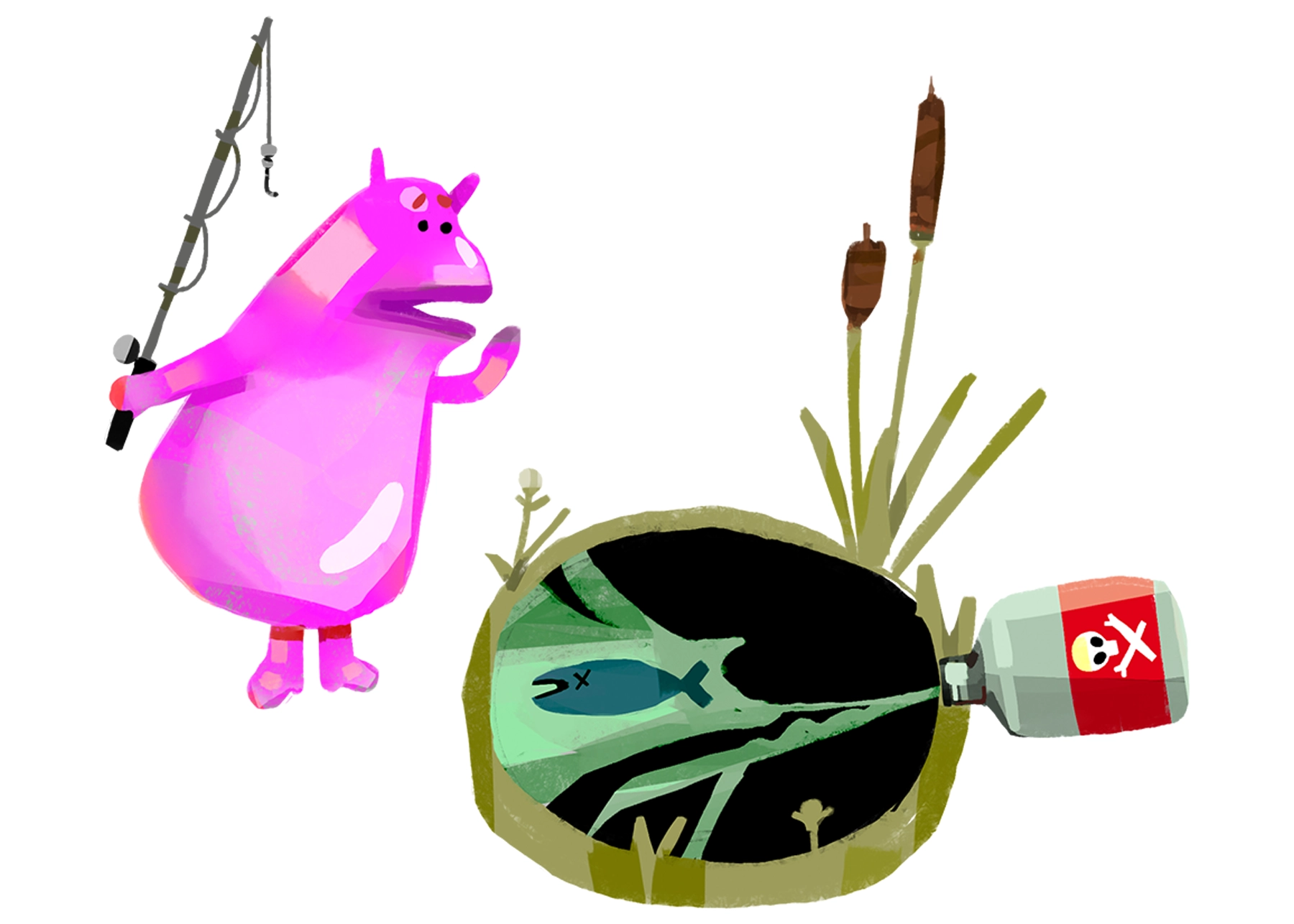
To cancel the noise on your site, you must first find the source. Here are the characteristics of toxic links:
| Link Feature | Why is it Dangerous? |
| Irrelevant Anchor Text | Receiving links with “cheap meds” text when your site is about “Web Design.” |
| Low Domain Authority | Links from sites with a spam score over 50%. |
| Foreign Language Dominance | A sudden surge of thousands of links from Russian or Chinese sites to a localized site. |
| Link Farms | Sites established solely to sell links with no actual content quality. |
Audit with Analysis Tools
You should periodically examine your “Backlink Profile” using tools like Ahrefs, Semrush, or Google Search Console. A sudden, vertical spike in your “Referring Domains” graph is often a sign of an attack.
IV. Step-by-Step Link Cleanup (Link Detox) Process
The professional roadmap you should follow to get rid of the harmful connections you have identified is as follows:
1. Create a Comprehensive Inventory
Export all backlinks pointing to your site. This list may contain thousands of rows. Don’t be intimidated; the key is effective filtering.
2. Manual Review and Classification
Automated tools do not always provide 100% accurate results. Manually visit domains that appear suspicious. If a site is entirely filled with ads, lacks content, or looks dangerous, add it to your “disavow” list.
3. Attempt to Make Contact (Optional but Recommended)
If the linking site is not a spam bot but merely an irrelevant blog, you can send a polite email to the site owner asking them to remove the link. Google prefers that you attempt to remove the links yourself first.
4. Using the Google Disavow Tool (Critical Step)
If you cannot get the links removed, you must tell Google: “I do not recognize these links; do not include them in my site’s authority calculations.”
Create a
.txtfile.List the harmful domains one under another in the format
domain:harmfulsite.com.Upload this file via the Google Search Console Disavow Tool.
Warning: You must be extremely careful when using the Disavow tool. If you accidentally reject high-quality links that benefit your site, it can cause your rankings to crash. This process should strictly be performed under the guidance of an SEO Consultancy expert.
V. Brand Reputation Management and Negative SEO
Negative SEO is not just a technical issue; it is a communication crisis.
Report Fake Reviews: Report comments that violate Google’s policies (insults, irrelevance).
Social Listening: Monitor platforms for mentions of your brand. Intervening in the first minutes of an attack can reduce damage by 90%.
VI. Protecting Against Negative SEO: Proactive Strategies
Cleaning up after an attack is difficult. The best approach is to defend your website like a fortress.
Enable Google Search Console Alerts: Google sends you an email when your site is hacked or when you receive a manual action (penalty). Ensure these notifications are turned on.
Regular SEO Audits: Scan your backlink profile and site health at least once a month. At Cancel Studio, we perform this noise tracking routinely for our clients.
Build a Strong Link Profile: The higher your site’s authority (DA/DR), the less you will be affected by small-scale negative SEO attacks. Quality links act as a shield against toxic ones.
Security Protocols: Use two-factor authentication (2FA), strong passwords, and up-to-date security plugins. Preventing unauthorized access to your site blocks the most dangerous type of negative SEO: internal interference.
VII. Cancel Studio: Cancel the Noise, Protect Your Brand
In the digital world, everyone talks, but very few can project a clear voice. The attacks directed at your site are parasites that muffle your brand’s clear sound. At Cancel Studio, our SEO strategies focus not just on “building,” but also on “purification.”
The advantages we offer in our Negative SEO and Link Cleanup services include:
In-Depth Link Analysis: We map out your toxic link profile using the most advanced industry tools (Ahrefs, Semrush, Majestic).
Manual Disavow Management: We strategically evaluate every single link while preparing your file, ensuring no valuable data is lost.
Reputation Protection: We monitor attacks against your brand name and establish your defense in the eyes of Google.
Speed and Security Optimization: We strengthen your site against attacks by reinforcing your infrastructure as well as your SEO.
Cancel the unnecessary data, the harmful links dragging your brand down, and the digital noise created by your competitors. We are by your side to clear the obstacles standing in the way of your success.
SEO is an Art of Defense
Negative SEO is, unfortunately, an inevitable part of digital competition. However, instead of fearing it, developing a conscious defense strategy puts you one step ahead of your rivals. Through regular audits, professional link cleanup, and brand reputation management, you can protect your site’s authority, cut the noise, and clear the path to the top.
Focus on growing your business, and let us cancel the attacks and toxic noise of the digital world.
Cancel the Attacks. Protect the Brand.