
The digital world has become a massive soundscape of noise, where millions of visual stimuli, flashing advertisements, and complex piles of information compete every second. The attention span of the modern internet user is now measured in seconds. In this chaotic environment, a user entering a website is more inclined to escape rather than decipher the clutter. This is where minimalist web design steps in—not just as an aesthetic trend, but as a strategic weapon that directly maximizes conversion rates. “Canceling out” the unnecessary crystallizes the essence of your brand and removes cognitive barriers in the user’s mind.
At Cancel Studio, we view minimalist web design not merely as decoration, but as the art of noise filtering. In the first part of this guide, we will examine the psychological foundations of minimalism and why the brain “buys” more quickly when presented with “less.”
I. What is Minimalist Web Design?
Minimalism is the art of “discarding everything that is not needed.” In the context of minimalist web design, this means the bold use of negative space (white space), limited but effective color palettes, hierarchical typography, and highlighting only the most essential functions. Minimalism is often mistaken for “doing nothing” or “leaving things blank.” In reality, true minimalism is a disciplined process that questions the reason for every element’s existence, blending functionality with aesthetics. In the digital world, minimalism translates to refined navigation, strong typography, and a purposeful structure.
Cancel the Cognitive Load
The human brain can only process a limited amount of information at once. When a page is cluttered with too many buttons, images, and text, the “cognitive load” increases. This leads to user fatigue and causes them to leave the page (bounce). Minimalist web design minimizes this load, allowing the user to focus. Every visual, button, and text requires energy to process. The more crowded the page, the longer it takes for the brain to reach the “decision-making” center. Minimalism channels the user’s energy into one single thing: your message and your Call to Action (CTA).
II. Hick’s Law and the Paradox of Choice
In psychology, Hick’s Law states that as the number of choices presented to a person increases, the time it takes for that person to make a decision increases logarithmically. Violating this law in web design is a direct invitation to lost sales.
- Decision Paralysis: If you present buttons like “Browse Our Products,” “Buy Now,” “Subscribe,” “Contact Us,” and “Read the Blog” all at once on a homepage, the user won’t know where to click. Fearing a wrong choice, the mind slips into inaction and abandons the site.
- Strategic Simplification: In a minimalist approach, each page has one primary goal. Leading the user by the hand toward that goal without exhausting them dramatically increases conversion rates. Offering fewer options is a favor to the user; it provides them with a clear roadmap.
III. The Strategic Power of Negative Space (White Space)
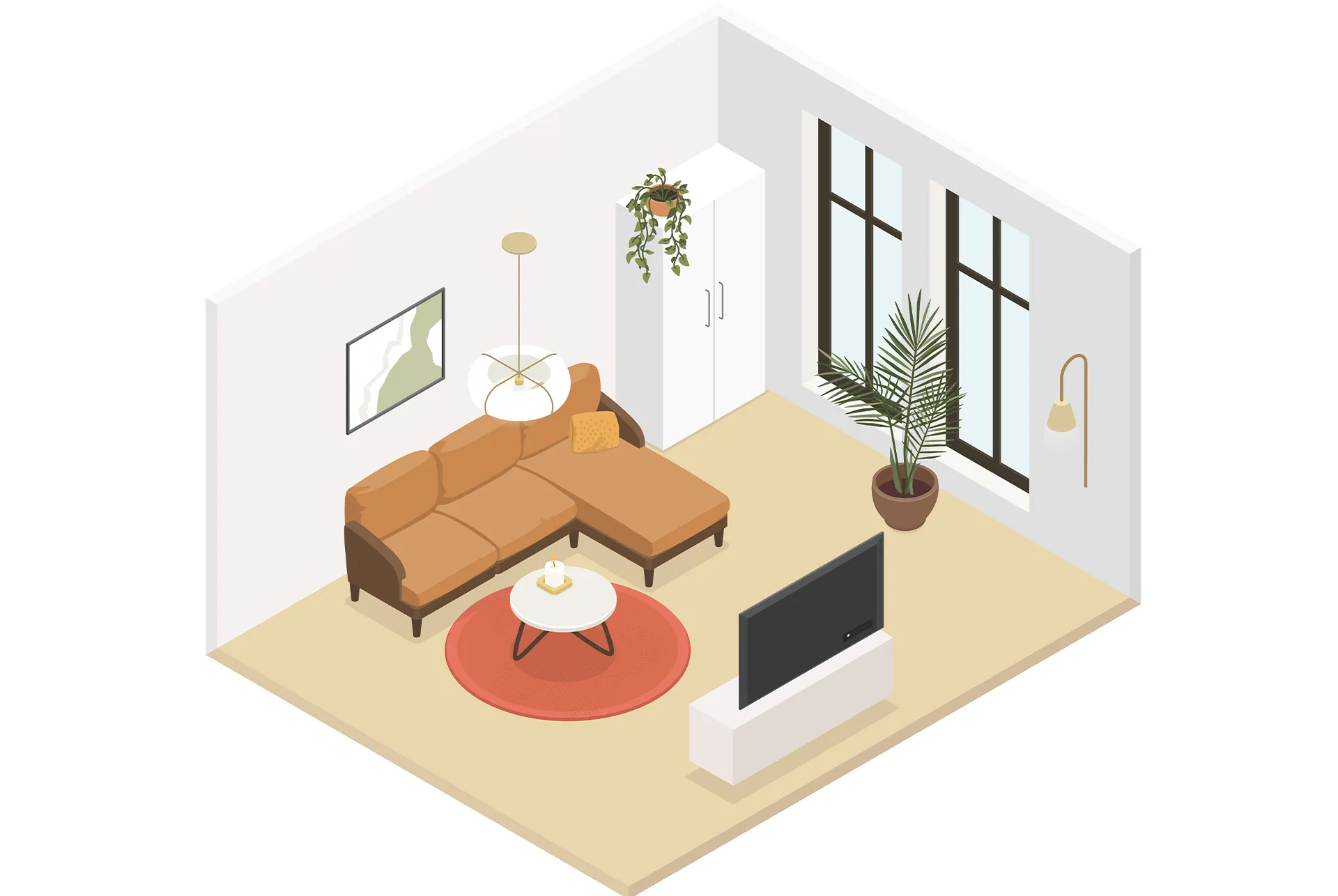
Negative space is not “dead” space in a design; on the contrary, it is the invisible glue that holds the design together. Many brand owners view gaps on a website as “waste” and want to fill them with ads or text. However, this is one of the biggest mistakes that can devalue a brand.
- The Perception of “Premium” and the Silence of Luxury
Look at the websites of the world’s most prestigious brands (Apple, Rolex, Tesla). You will see vast empty spaces around the products. This is because white space psychologically evokes a sense of luxury, spaciousness, and trust. The space on the page symbolizes that the brand “doesn’t need to scream” and that the value it offers is sufficient to fill that space on its own.
- Visual Hierarchy and Eye Tracking
White space focuses the user’s eye like a laser on the most important point. A “Get Started” button surrounded by empty space attracts 200% more attention than a button buried under a crowded image. When you cancel the noise, what matters most naturally begins to shine. This acts as a natural GPS system that prevents the user from getting lost on the page.
IV. Typography and Readability: The Voice of Minimalism
In minimalist web design, as the number of visual elements decreases, the weight of words and fonts increases. Here, typography is not just text; it becomes the main character of the design.
Readability and Trust: Complex fonts fatigue the brain. Modern, clean, and sans-serif typefaces accelerate the flow of information. The more effortlessly a reader consumes information, the higher their trust in the brand becomes.
The Skimming Culture: Digital users do not read like they are reading a book; they scan the page. Minimalism turns this scanning process into a pleasure through headline hierarchy and short blocks of text. When a user finds the answer they are looking for within 3 seconds, their time spent on the site increases.
V. Minimalist Color Strategy: More Emotion with Fewer Colors
In minimalist web design, the use of color is not “decoration” but a tool for navigation and emphasis. When too many colors are used, the brain cannot distinguish what is important, but a minimalist palette manages emotions directly.
- The Pop Effect (Accent Color): When 90% of a page consists of black, white, or gray tones, a vibrant color used only on a “Buy Now” or “Get a Quote” button (such as corporate orange or midnight blue) triggers an instantaneous “attention” signal in the user’s brain. This is like hearing a single whisper in a noisy room.
- Color Psychology and Space: Because colors are not drowned out by clutter in minimalism, their psychological impact doubles. While white offers purity and technological transparency, black represents luxury and authority. At Cancel Studio, we take the core color that best reflects the brand’s soul and make it the focal point of the design.
VI. Minimalist Design and SEO Relationship
Minimalism is not just a visible aesthetic; it is an engineering success under the hood of your website. “Canceling” technical debt and visual clutter ensures full compatibility with Google’s algorithms.
- Page Loading Speed
Google’s 2026 algorithms consider even milliseconds as a ranking factor. A minimalist site—freed from excessive visual components, cluttered CSS files, and unnecessary JavaScript libraries—loads at the speed of light. Remember: every 1-second delay in page load time means a 7% loss in conversion rates.
- Core Web Vitals and Google Compatibility
Minimalist sites naturally score high in Google’s user experience metrics (LCP, FID, CLS). Elements don’t shift around while loading (CLS), and the system responds instantly when a user clicks a button (FID). This cleanliness sends a signal to Google: “This site does not exhaust the user,” and pushes you to higher rankings.
VII. Mobile-First Minimalism
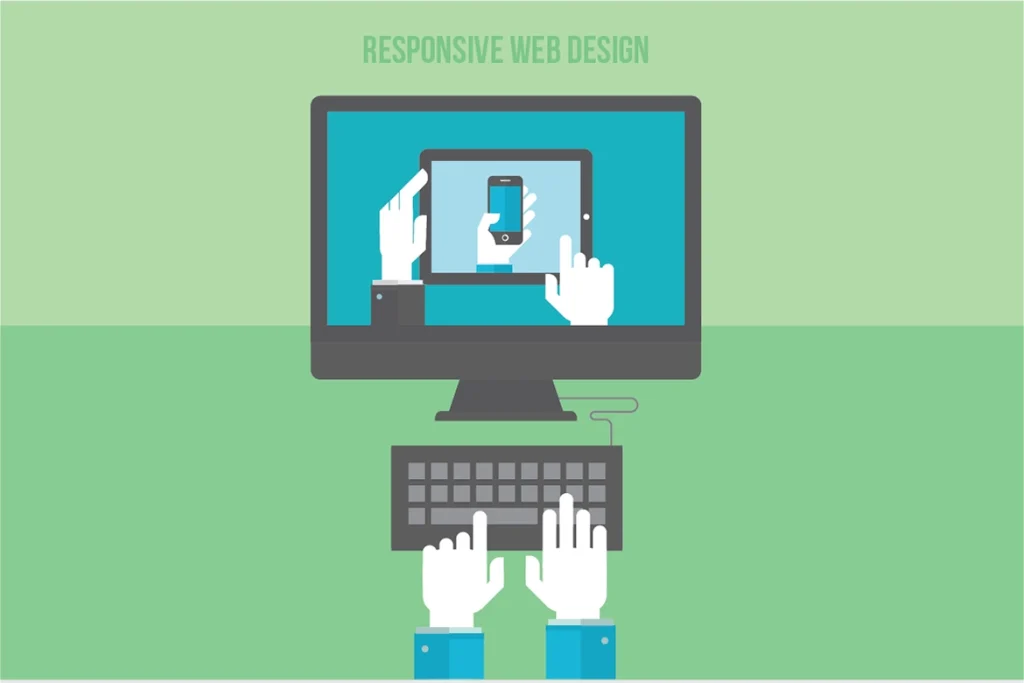
As screens get smaller, minimalism transforms from a preference into a matter of survival. Visual density that might be acceptable on a desktop can cause a user to feel suffocated on a mobile screen.
- Thumb-Friendly Design: In a minimalist mobile interface, essential elements are placed with generous spacing in areas most easily reached by the thumb. When you “cancel” the risk of accidental clicks (friction), the user experience becomes seamless.
- Adaptive Content: Displaying only the most vital information on mobile makes it easier for users to connect with your brand while they are on the go or trying to make a quick decision.
VIII. Content Minimalism: Increasing the Weight of Words
It is not enough for the design to be simple; the copy must also accompany this “refined” philosophy.
- Cancel the Verbosity: Long, flowery, and complex sentences are not read digitally; they are scanned. Minimalist copywriting (microcopy) aims to deliver the highest emotion and information with the fewest words.
- Unique Value Proposition (UVP): The moment a user enters the site, they should see the answers to these three questions in the brightest and most spacious area of the page: Where am I? What is being offered? How does it benefit me? Minimalism places no obstacles in front of these answers.
Conversion-Oriented Minimalism with Cancel Studio
We don’t simplify brands just to make them look “modern.” We cancel the digital noise that stands in the way of your business growth. Our approach to minimalist web design is not an operation of “subtraction,” but one of “finding the essence.”
Our Strategic Execution Process:
- Noise Analysis: We identify every unnecessary element on your current site that distracts the user from their goal.
- Psychological Layering: Based on Hick’s Law and Gestalt principles, we establish a hierarchy that guides the user’s eye toward the conversion.
- Premium UX Design: We build your brand not just as a website, but as a symbol of prestige living through the concept of “quiet luxury.”
- Sustainable Infrastructure: By achieving maximum performance with minimum code, we extend the SEO lifespan of your site.
The Future Belongs to Those Who Choose Clarity
In the digital world, shouting no longer attracts attention; on the contrary, it drives users away. People are now loyal to brands that understand them, save them time, and do not exhaust their minds. Minimalist web design is the cornerstone of this loyalty. When you cancel the chaos, all that remains is the strength of your brand and the satisfaction of your user.
Less is not just more; less is also smarter. It is time to equip your brand with this strategic power.
Cancel the Visual Noise. Amplify the Conversion.