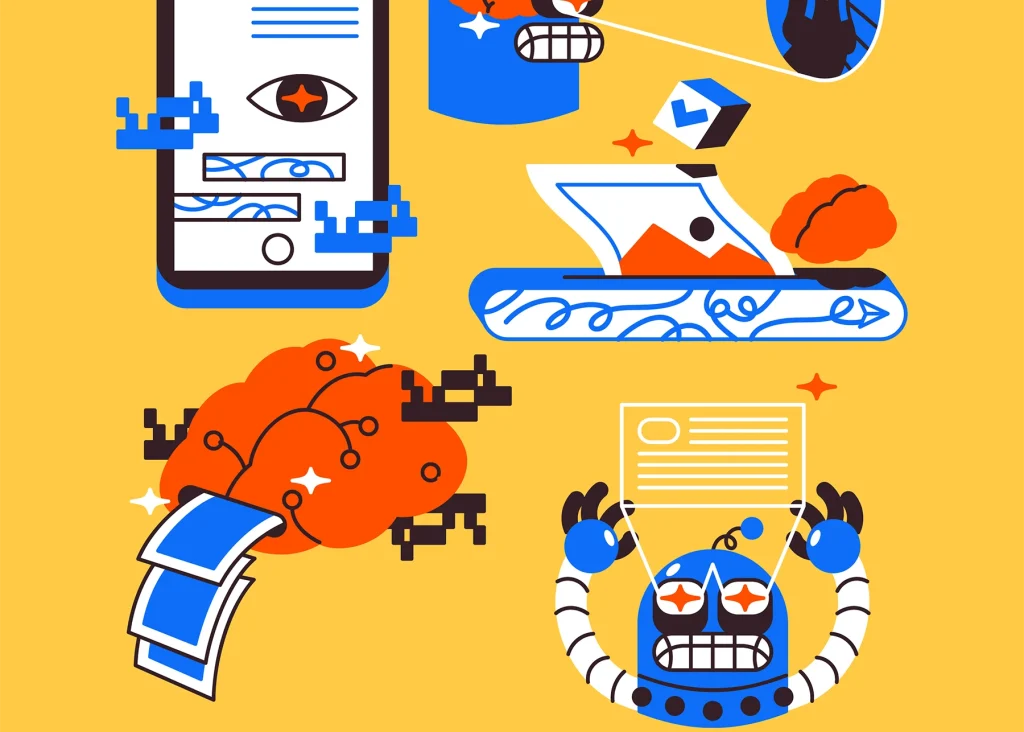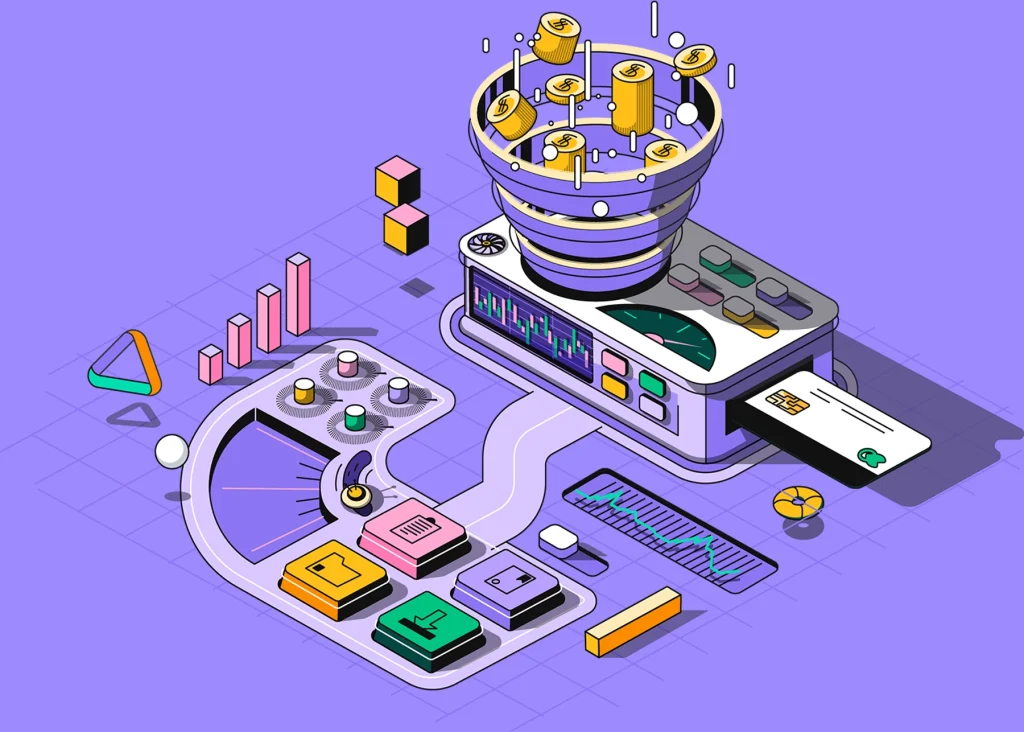

In today’s data-driven world, a brand’s success depends on how well it knows its customers. However, this “knowing” process often crosses boundaries and mutates into a form of digital stalking. Personalization in digital marketing is the art of delivering the right message to the right person at the right time. But when this balance is disrupted—when the dose of personalization is exceeded—your strategy ceases to offer “value” and turns into “harassment” noise. Seeing the same ad everywhere a user looks or the feeling that their private space is being violated can destroy trust in your brand in a single second.
At Cancel Studio, we cancel aggressive tracking methods and unethical data usage that suffocate the user. We believe that true growth is only possible through a refined personalization strategy that respects customer privacy. In this guide, we will examine the fine line of selling without disturbing the user and the secrets of noise-free marketing.
I. What is Personalization, and What is Harassment?
To clarify the distinction, let’s look at the definitions and the psychological triggers behind them. Personalization in digital marketing is a strategy that makes the user say, “This brand truly understands my needs and preferences,” saving them time and improving their experience. On the other hand, digital harassment is aggressive noise that makes the user say, “This brand is watching me, violating my private space, and this is scary,” causing them to disconnect from the brand.
1. The Magic of Data: Helpful Personalization
Personalization succeeds when it offers value. At this stage, the brand acts like an “assistant”:
- Predictive Analytics: Sending a reminder based on past data exactly when needed (e.g., baby formula about to run out or an upcoming insurance renewal).
- Contextual Relevance: Offering content tailored to the user’s current location or weather (e.g., offering a coffee discount on a rainy day).
- Experience Simplification: Making it easy for users to find previously viewed products or highlighting items that match their taste in a complex catalog.
2. Crossing the Invisible Line: Digital Harassment
If a marketing strategy creates anxiety instead of a smile when a user asks, “How did they know?”, it is harassment. This noise typically manifests as:
- Hyper-Retargeting: Forcing a product a user clicked only once to appear in every corner of the internet (news sites, games, weather apps), even if they have moved on.
- Data Exploitation: Using sensitive information obtained through indirect means (like third-party leaks). When a user doesn’t understand how a brand reached that info, they feel “threatened.”
- Frequency Blindness: An ad notification during sleeping hours or “We miss you” emails sent 10 times a week isn’t personalization; it’s digital noise.
3. The “Uncanny Valley” Effect
In digital marketing personalization, one must avoid robotic perfection. When the human brain realizes an AI or algorithm knows it “too” well, defense mechanisms kick in. If the user is afraid of the amount of data the brand holds, the line has been crossed. At Cancel Studio, we aim to build a human-centric and respectful flow without falling into this uncanny valley.
II. Personalization and Data Ethics
Data is the fuel for any personalization strategy. However, how you collect and use this fuel determines your authority. Users are tired of their data being stolen or processed without consent.
Transparency Cuts Through the Noise
Clearly stating why you collect user data and how it benefits them is the first step in building trust. A transparent data policy transforms the personalization process from an act of intrusion into a professional service.
III. The Retargeting Error: When to Say "Enough"?
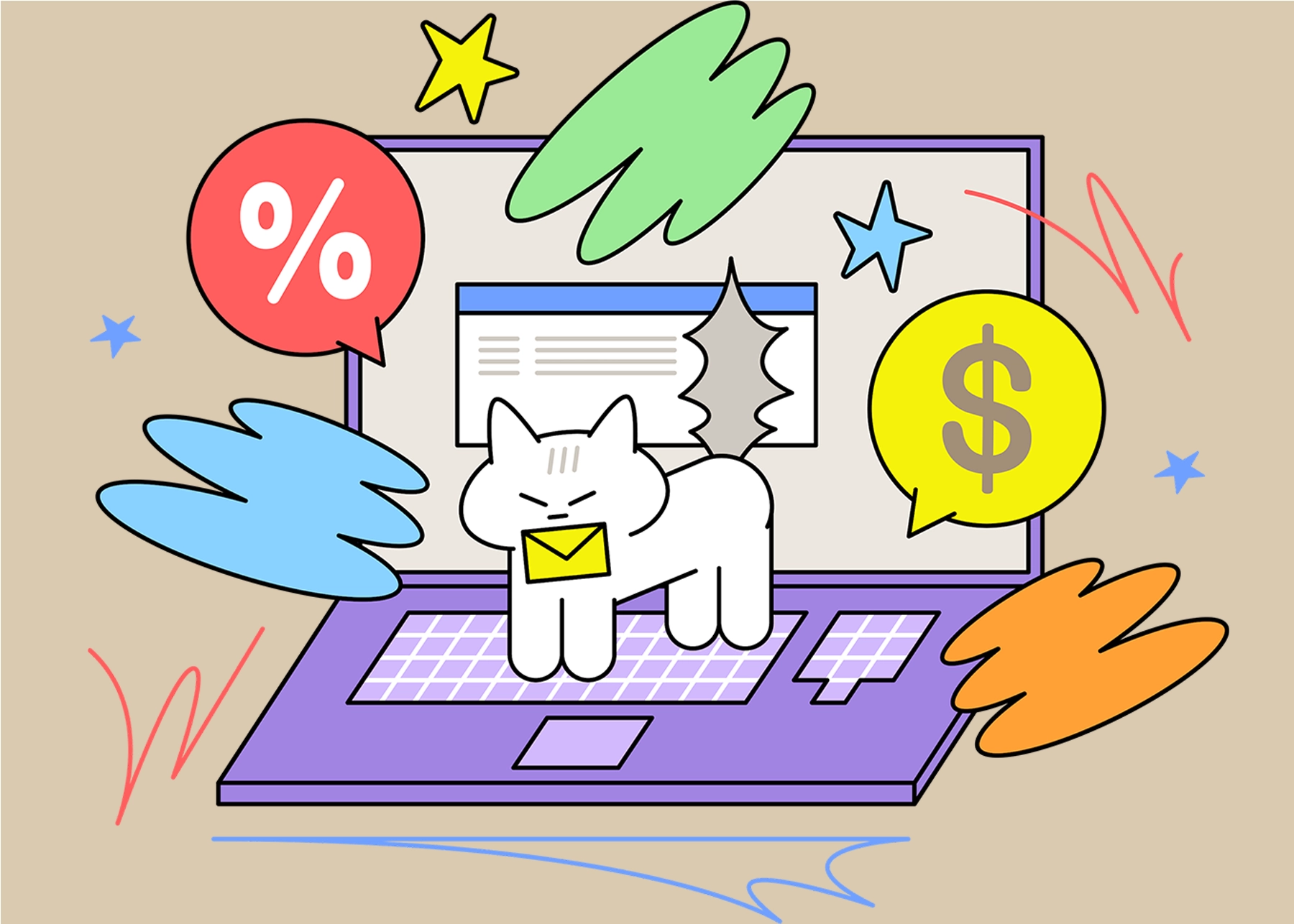
Many brands build their retargeting strategies on the logic of “follow the user until they surrender.” This is the area where personalization in digital marketing is most frequently abused.
Frequency Capping: You must limit how many times a user sees the same ad per day. Seeing the same banner 20 times a day isn’t personalization; it’s digital bullying.
Contextual Harmony: An irrelevant cart reminder that pops up suddenly while a user is reading the news is a noise that disrupts the experience.
IV. The Dark Side of Algorithms: Avoiding "Sinister" Marketing
Artificial intelligence offers massive opportunities for personalization in digital marketing. However, when an algorithm knows the user “too well,” it creates an ethical gray area. Predicting a health condition or a private life change that the user hasn’t shared with anyone yet—and serving ads accordingly—makes your brand a “dangerous stalker” rather than a “trusted friend.”
V. Personalization in Terms of SEO and UX
Google looks not just at content, but at how the user interacts with that content. When personalization in digital marketing is done correctly, it directly boosts your SEO performance.
Low Bounce Rate: When you present the user with content they are interested in, their time on the page increases.
High Conversion: Personalized landing pages serve search intent better, which leads Google to recognize them as authoritative.
VI. 4 Strategic Steps to Maintain the Fine Line
Follow these steps to avoid driving users away while personalizing:
Permission Marketing: Clearly obtain the “I allow you to know me” consent from the user.
The Power of Segmentation: Telling everyone the same thing is noise. Segment users deeply based on behavior, interests, and purchase history.
Offer a Value Proposition: Personalization isn’t just for “sales.” Offering a user-specific guide, a tip, or a convenience eliminates the risk of harassment.
Ask Instead of Predicting: Don’t just guess what the user wants from data; ask them directly through surveys or preference pages.
VII. Ethical and Powerful Marketing with Cancel Studio
We believe that brands don’t need to disturb the user to grow. We cancel aggressive, noisy, and unethical personalization methods in digital marketing.
What We Do
Strategic Segmentation: We process data to create value, not to harass.
Noise-Free Ad Management: We establish ad models that don’t suffocate the user, have frequency limits, and harmonize with the context.
Ethical Data Architecture: We build transparent systems that protect your brand from legal risks and loss of trust.
Conversion-Oriented Approach: We design sales funnels that respond to the customer’s needs in the most elegant way without scaring them.
Respect is the Greatest Sales Technique
The future of marketing lies not in collecting more data, but in respecting the data collected. Personalization in digital marketing ends where you intrude upon the user’s freedom. If you want your brand to be remembered, do it by being silently by their side when they truly need it, not by stuffing ads into every available space.
Cancel the noise. Build trust. Treat personalization as an art and sales as a result.
Cancel the Noise. Personalize with Respect.